

The Role of Risk Tolerance in Gambling Choices
Risk tolerance significantly shapes individuals’ gambling behavior. Those with a high risk tolerance are often drawn to high-stakes games, seeking the thrill that comes with larger bets. This psychological trait compels them to take risks that ostensibly promise greater rewards. Conversely, individuals with a lower risk tolerance may prefer games with lower stakes, where the potential for loss feels more manageable. Understanding one’s personal risk appetite can thus dictate the types of games a gambler chooses and their overall experience at the casino. For example, some might look for the best casino not on gamstop to find suitable options based on their preferences.

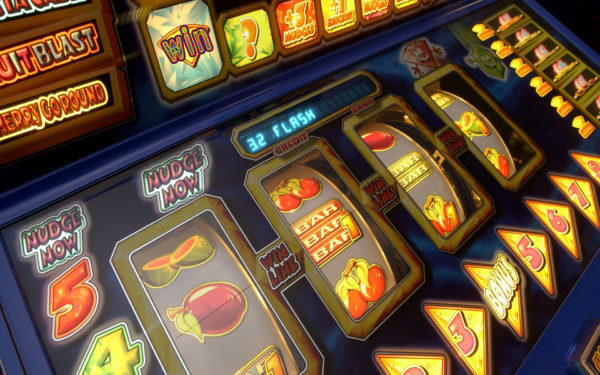
This inclination towards risk also ties into broader psychological factors, such as one’s approach to decision-making under uncertainty. Gamblers who are more risk-seeking may display a preference for games with unpredictable outcomes, such as roulette or slot machines, where chance plays a significant role. On the other hand, risk-averse players often gravitate towards games that involve skill and strategy, like poker or blackjack, where their decisions can influence the outcome.
The Emotional Influence on Gambling Decisions
Emotions play a pivotal role in driving gambling behaviors. For many, the casino environment is synonymous with excitement and allure, creating a stimulating atmosphere that heightens emotions. Positive emotions, such as exhilaration and euphoria, can lead to increased betting, as players chase the high of potential winnings. However, negative emotions, such as stress or anxiety, can also lead individuals to gamble as a form of escapism, often resulting in poor decision-making and potentially harmful gambling behaviors.
The emotional state of a gambler can fluctuate throughout their experience. For example, a winning streak can induce a sense of invincibility, tempting gamblers to increase their bets. In contrast, a series of losses can lead to frustration and desperation, pushing players to gamble more in hopes of recouping their losses. Recognizing these emotional triggers is essential for gamblers and operators alike, as they can foster a better understanding of behavior patterns leading to either responsible gambling or detrimental addiction.
Social Influences on Gambling Behavior
Social dynamics also heavily influence gambling choices. The presence of peers can significantly alter a person’s approach to casino games; for instance, individuals may feel encouraged to partake in certain activities due to social pressure or a desire to conform to group norms. This effect can manifest in various ways, from choosing more ambitious betting strategies to participating in games they might otherwise avoid alone.
Additionally, social interactions in gambling settings can enhance the overall experience, making it more enjoyable. Individuals may seek approval from friends or share in the excitement of a winning moment, which can reinforce their gambling behaviors. However, this social aspect can also lead to negative outcomes if individuals find themselves gambling excessively to fit into a social group, highlighting the complex interplay between social influences and gambling choices.
Cognitive Biases and Gambling Decisions
Cognitive biases significantly affect decision-making processes in gambling. Gamblers often exhibit biases such as the gambler’s fallacy, where they believe that past events will influence future outcomes, leading them to make irrational bets. For instance, a player may think that a slot machine that has not paid out recently is “due” for a win, pushing them to wager more. These biases can distort reality and contribute to the illusion of control over outcomes, which is detrimental for responsible gambling.
Furthermore, cognitive dissonance can emerge when players justify their losses by focusing on their wins or convincing themselves that their strategy will pay off eventually. Acknowledging these cognitive biases is crucial for gamblers, as it can help them approach gambling with a more grounded perspective, ultimately promoting healthier habits and reducing the risk of developing problematic behaviors.

Exploring Responsible Gaming and Awareness
Understanding the psychological factors influencing gambling choices is vital for promoting responsible gaming. By recognizing how risk tolerance, emotions, social influences, and cognitive biases play a role in gambling behavior, both players and casino operators can work towards creating safer gaming environments. Implementing awareness programs that educate gamblers about these psychological influences can empower individuals to make informed choices, ultimately reducing the risk of addiction.
Casinos and online gaming platforms are increasingly incorporating responsible gaming measures, such as self-exclusion options, limit-setting tools, and educational resources, to support players in their gambling journey. By fostering a culture of awareness around the psychological aspects of gambling, it is possible to encourage more mindful gambling choices that prioritize safety and enjoyment, rather than risk and loss.

:max_bytes(150000):strip_icc():format(webp)/Casino-Games-by-Michael-Blann-GettyImages-200325572-001-5c26042d46e0fb00017bb4b3.jpg)